BLOG
Inside the Workflow: From a Signal in the Persian Gulf to a Mitigation Plan in Seconds

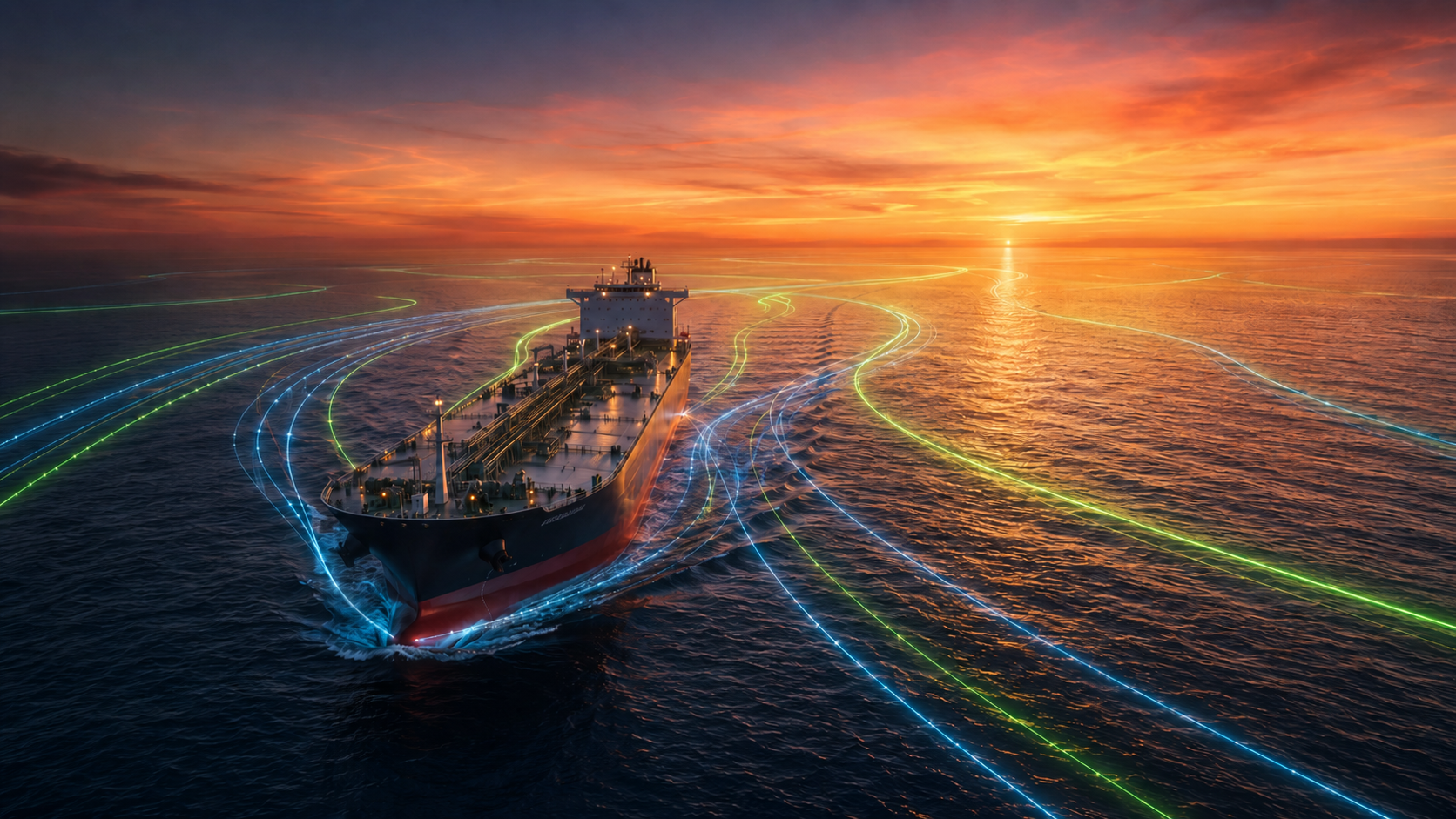
Executive Summary: Events emerge across the world every day that can impact supply chains, operations, and business performance. The challenge isn't finding information but it is identifying which signals matter, validating what's happening, understanding the business impact, and responding before disruption reaches operations. This walkthrough follows two use cases from a customer engagement with a Fortune 500 global manufacturing company facing more than $21 million in value at risk: a shipping disruption in the Persian Gulf and a market signal on gallium chip production in China. In both, Styx AI investigates and validates the external signal while AAxon determines business impact and evaluates response options. Together they compress the path from awareness to action and while these examples focus on geopolitical disruption and critical materials, the same approach applies across manufacturing, energy, chemicals, pharmaceuticals, consumer goods, mining, and logistics.
The engagement began with a question every supply chain leader recognizes: will this event reach us? For this manufacturer, "this event" could be anything from regional instability near a shipping corridor to a production shift at a supplier three tiers deep. The exposure was concrete, more than $21 million in value at risk, along with increased logistics costs, production delays, inventory shortages, and missed customer commitments.
Answering that question requires two capabilities most enterprises keep in separate worlds: intelligence about the external environment, and operational context about suppliers, materials, inventory, facilities, and transportation networks. The workflow below is what it looks like when the two are designed to work together.
"Artificial intelligence in the online information environment enables speed and scale. If you can use your tools to see who is saying what to whom in real time, and you can visualize that in a way that illuminates a network — who's in the conversation, what the conversation is about, who all the different players are — you can also discern whether a speaker in that conversation is authentic or inauthentic." — Admiral (ret.) Douglas Fears, COO, Artis Magi
The investigation begins in Styx AI, with a live view of activity across the Persian Gulf and a supply chain layer applied on top. As the data loads, ports, vessels, and shipping activity become visible across the region. Zooming into vessel activity near Yanbu, the team reviews routes, destinations, voyage progress, and operational details, then examines port infrastructure and operating constraints before shifting focus toward the Strait of Hormuz and activity around the Sharjah Offshore Terminal.
With the physical picture established, the investigation moves into the information environment. Opening the discourse network, analysts visualize the conversations and engagements related to the event, each node a unique participant in the discussion. Using the timeline and content explorer, the team isolates relevant conversations, searches Arabic-language content, and translates messages in real time. A source of interest is identified and validated directly within Styx AI, including supporting media and original content.
At this point, both the physical activity and the information driving the signal have been validated. Not guessed at, not inferred from a sentiment score but it is traced to the source.
Then AAxon takes over. The platform automatically evaluates the event across suppliers, materials, inventory, facilities, and transportation networks. Within seconds, it quantifies business impact, identifies affected operations, highlights potential inventory exposure, and recommends mitigation actions, accelerating the path from awareness to action.
The second example runs the workflow in reverse, starting inside the business.
AAxon identifies a signal indicating increased gallium chip production in China. Within seconds, it identifies supplier dependencies, highlights the facilities most exposed to market changes, and quantifies potential impacts to supply availability, cost, and production plans. Decision-makers can immediately see where supplier concentration exists, which products are most vulnerable and where new opportunities may emerge if additional supply enters the market.
Knowing the signal may matter is step one. Understanding what's driving it is step two. The investigation moves into Styx AI with a supply chain view of gallium production and distribution across Asia and North America — suppliers, manufacturing facilities, ports, vessels, and transportation routes associated with the material. The team zooms into Shanghai to examine supplier activity and shipments, expands the view to analyze transportation routes across the region, then opens a discourse network focused on critical minerals and semiconductor manufacturing. A highly engaged post reporting increased production activity is identified, and the original source and supporting video are validated directly within the platform.
With the signal validated, the decision returns to AAxon. The platform combines external market intelligence with internal operational data to evaluate supplier dependencies, forecast cost impacts, identify affected products, and highlight facilities requiring attention. Decision-makers model response options and quantify the impact on cost, supply availability, inventory levels, lead times, and production performance.
Rather than reacting after market conditions change, the organization evaluates options early, compares trade-offs, and makes decisions with greater confidence.
One signal originated outside the business, one inside. The workflow was the same:
Styx AI investigates and validates signals emerging from the external environment. AAxon connects those signals to operational realities inside the business. Together, they help organizations understand what is happening, determine what it means, and identify the most effective response, creating a decision advantage.
Three design choices make the workflow work. First, validation is human-led: AI surfaces and translates at machine scale, but analysts confirm sources and judge authenticity before anything reaches a decision-maker. Second, impact is quantified in operational terms, suppliers, POs, inventory, lead times — not abstract risk scores. Third, the loop runs in both directions, because real signals don't care whether your tooling starts from the outside or the inside.
For the strategic thinking behind the collaboration, read Real-Time Signals. Deterministic Next Best Actions. AI for Supply Chain Risk. To see how signal-to-action workflows fit an AI-native operating model, explore the AAxon platform and our Connected Supply Chain solution.
How does AAxon quantify the business impact of a supply chain disruption?
AAxon automatically evaluates validated signals across suppliers, materials, inventory, facilities, and transportation networks. Within seconds it quantifies value at risk, identifies affected operations and inventory exposure, and recommends mitigation actions, allowing decision-makers to model response options across cost, supply availability, lead times, and production performance.
What is a discourse network and why does it matter for supply chain risk?
A discourse network visualizes the conversations surrounding an event, with each node representing a unique participant. It shows who is saying what to whom, how narratives spread, and which sources are driving engagement, enabling analysts to trace a signal to its origin and assess whether the activity is authentic or inauthentic before the business acts on it.
Can this workflow handle signals in other languages?
Yes. Styx AI monitors and analyzes content across more than sixty languages, with real-time translation built into the investigation workflow. In the Persian Gulf use case, Arabic-language content was searched, translated, and validated directly within the platform.
Does the workflow only apply to geopolitical disruption?
No. The examples here involve geopolitical events and critical materials, but the same investigate-validate-quantify-act pattern applies to any external signal that shapes operational outcomes, across manufacturing, energy, chemicals, pharmaceuticals, consumer goods, mining, and logistics.
Is a human involved in the decisions?
Yes, by design. AI handles monitoring, translation, and impact modeling at machine scale; humans validate sources, judge authenticity, and make the decisions. The platform compresses the cycle from awareness to action, it does not remove the decision-maker from it.






.svg)